
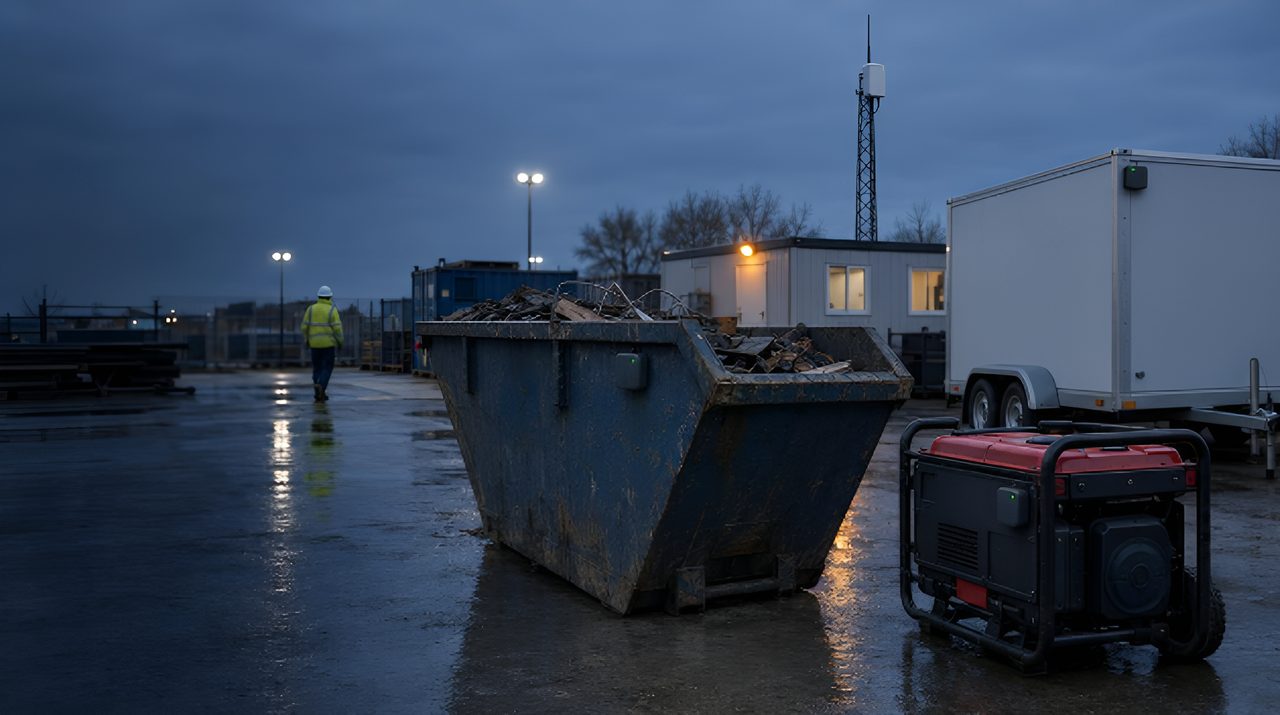
Pubblico vs privato LoRaWAN: che si adatta.
Le implementazioni LoRaWAN si suddividono in reti pubbliche (gestite da operatori, basate su abbonamento, dove c'è copertura) e reti private (gestisci i tuoi gateway e server di rete, controllo totale).
La scelta giusta dipende molto dal caso d'uso, e la maggior parte delle imprese mature finisce con un mix di persone. Questo è il confronto a livello di operatore che aiuta gli approvvigionamenti a decidere.
La differenza architetturale
LoRaWAN pubblico: si collegano i dispositivi alla rete di un operatore (Orange / Bouygues / Objenious in Francia, KPN nei Paesi Bassi, Swisscom in Svizzera, Senet ed Everynet in Nord America, Helium a livello globale su un modello peer-operato).
Si paga l'abbonamento per dispositivo; L'operatore gestisce gateway e server di rete.
Soldato LoRaWAN: gestisci i tuoi gateway e server di rete (ChirpStack open source, The Things Industries, Actility ThingPark Enterprise) sul tuo sito. I dispositivi si connettono solo alla tua rete. Capex in anticipo, nessun abbonamento, controllo totale.
Copertura: il fattore decisivo
La copertura pubblica LoRaWAN è eccellente nella maggior parte dell'Europa (le reti gestite dagli operatori coprono in modo esaustivo i principali paesi),
è frammentaria in Nord America (Senet, Everynet, Helium sostituisce ma la copertura è disomogenea) e limitata in gran parte dell'Asia, dell'America Latina e dell'Africa.
Per le missioni concentrate all'interno della copertura degli operatori, il pubblico è la via più rapida per scalare. Per le missioni distribuite su regioni sparse o non coperte, la privata (o ibrida) è l'unica opzione pratica.
Economia dei costi: quale vince?
Pubblico: abbonamento per dispositivo, tipicamente 1-5 Euro per dispositivo all'anno per sensori a basso carico utile, di più per i tracker. Nessun capex iniziale per infrastrutture.
Privato: capex gateway (1.000-3.000 euro ciascuno, servono 1-5 per sito a seconda della dimensione), capex o licenza server-rete (ChirpStack free, TTI / Actility commerciale), overhead operativo.
Il pareggio avviene intorno a 500-2.000 dispositivi per sito, a seconda della densità e della scelta del gateway. Oltre a questo, il privato di solito costa meno il costo costo del costo del consumo.
Sicurezza e controllo
Entrambi utilizzano la crittografia AES-128 end-to-end. La differenza di sicurezza è operativa. Pubblico: traffico transita dal server di rete dell'operatore; La gestione delle chiavi è condivisa.
Privato: controlli l'intero percorso, inclusi il provisioning dei dispositivi, le chiavi di rete e il routing.
Per la difesa, le infrastrutture critiche, le industrie regolamentate (farmaceutico, attrezzature di campo per i servizi finanziari,
petrolio e gas) e casi d'uso aziendali sensibili, il settore privato è solitamente richiesto per motivi di governance anche quando esiste una copertura pubblica.
Panorama dei fornitori e delle piattaforme
Operatori pubblici: Orange Business / Objenious, Bouygues Telecom, KPN, Swisscom, Telekom Austria, Senet, Everynet, Helium (gestito da pari).
Server di rete private: ChirpStack (open source, dominante per l'autogestione), The Things Stack (TTI commerciale + community), Actility ThingPark Enterprise (carrier-grade per grandi deployment privati), AWS IoT Core (con integrazione LoRaWAN), Azure IoT Central.
Gateway: Kerlink, Multitech, Tektelic, Cisco, MikroTik. La maggior parte lavora sia con il pubblico che con il privato. Dispositivi: migliaia di sensori e localizzatori conformi alla LoRaWAN.
L'ibrido è sempre più comune
Molte imprese gestiscono entrambi. LoRaWAN pubblico per beni che si spostano tra regioni (container restituibili, bestiame, attrezzature mobili) dove esiste la copertura da parte degli operatori.
LoRaWAN privato per applicazioni sensibili in loco (sensori di fabbrica, personale ospedaliero, equipaggiamento militare/militare).
Gli stack ibridi utilizzano standard di roaming per far passare i dispositivi tra le reti. Progettiamo l'architettura di rete nella fase 1. Vedi LoRaWAN per un trattamento tecnologico più approfondito.
Domande frequenti
Quale è più economico: LoRaWAN pubblico o privato?
Dipende dal numero di dispositivi e dalla geografia del sito. Il pubblico vince con pochi numeri di dispositivi nella copertura degli operatori.
I privati vincono oltre ~500-2.000 dispositivi per sito, oppure per implementazioni fuori dalla copertura degli operatori. Modelliamo entrambi nella fase 1.
Un dispositivo può muoversi tra reti pubbliche e private?
Sì, in linea di principio: l'Alleanza LoRa ha standardizzato il roaming. In pratica, il roaming pubblico-privato non è ancora plug-and-play e richiede una gestione attenta delle chiavi.
La maggior parte delle implementazioni ibride segmenta i dispositivi per rete invece di roaming-li dinamicamente.
Quanto è affidabile Helium per l'uso enterprise?
Il modello peer-operated di Helium ha una copertura e una qualità disomogenee. È migliorato dalla migrazione a Solana, ma non è ancora un operatore enterprise stabile nella maggior parte delle regioni. Lo trattiamo come una rete supplementare, non primaria.
Le reti private LoRaWAN richiedono manutenzione continua?
Sì, aggiornamenti firmware gateway, patching del server di rete, gestione delle chiavi, monitoraggio. Tipicamente qualche giorno di ingegneria all'anno per una distribuzione stabile.
Gli accordi di servizi gestiti con TTI o Actility si occupano di questo per le imprese che non desiderano la proprietà interna.
Dove si collocano i cellulari IoT (LTE-M / NB-IoT) in questo confronto?
Cellular IoT è l'altra opzione LPWAN. NB - IoT e LTE-M sono gestiti dal carrier, disponibili globalmente dove esiste la rete cellulare, e si integrano naturalmente con i dispositivi mobili.
LoRaWAN vince sul costo per dispositivo su larga scala e sulla capacità di rete privata; Cellular vince in mobilità globale e interoperabilità standardizzata. La maggior parte delle aziende utilizza entrambi per casi d'uso diversi.
Ultimo aggiornamento: