
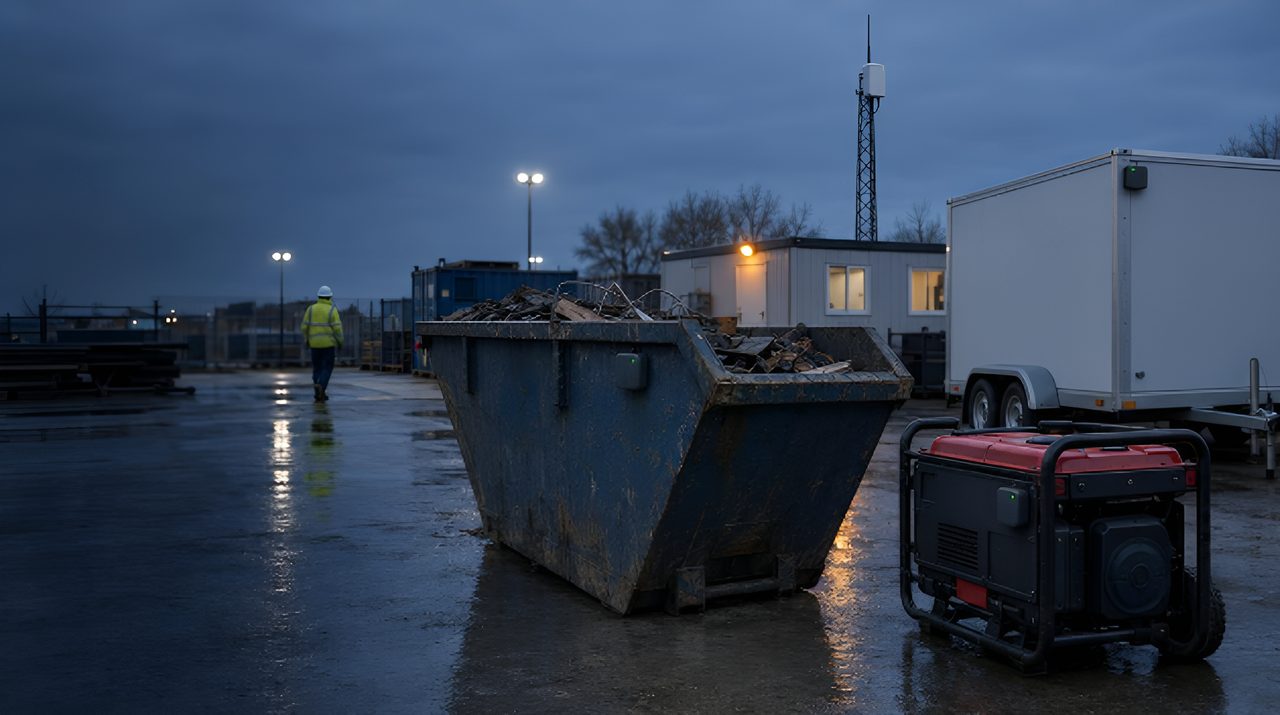
LoRaWAN: jak działa i gdzie pasuje.
LoRaWAN to dalekosiężny, niskoenergooszczędny i niskokosztowy protokół bezprzewodowy, który po cichu stał się standardem do śledzenia zasobów zewnętrznych, wykrywania rolnictwa, inteligentnych miast IoT oraz zdalnego monitorowania sprzętu.
To jest wyjaśnienie na poziomie operatora, jak LoRaWAN faktycznie działa, gdzie zdecydowanie wygrywa i gdzie lepiej pasują alternatywy komórkowe.
Definicja 30-sekundowa
LoRaWAN to protokół sieci szerokopasmowej (LPWAN) o dużym zasięgu, niskoenergetyczny, działający w nielicencjonowanych pasmach sub-GHz (zazwyczaj 868 MHz w Europie, 915 MHz w USA).
Opiera się na dwóch technologiach: LoRa, opatentowaną modulację chirp-spread-spectrum wynalezioną przez Semtech, która zapewnia długi zasięg (10+ km wiejskie, 2-5 km miejskie) i głęboką penetrację;
oraz LoRaWAN, otwarty protokół warstwy MAC zarządzany przez LoRa Alliance, który zapewnia architekturę sieci, adresowanie, bezpieczeństwo i roaming.
Cecha definiująca: maleńkie czujniki zasilane bateriami wysyłają małe pakiety do bram oddalonych o wiele kilometrów, a żywotność baterii mierzona jest w latach do dekady.
Jak działa LoRaWAN
Trzy warstwy. Urządzenia końcowe (czujniki, trackery) przesyłają niewielkie ładunki (zazwyczaj 10-50 bajtów) na pasmach poniżej GHz.
Bramy odbierać transmisje i przekazywać je przez Internet do serwera sieciowego. Pokrycie zależy od rozmieszczenia bram; Jedna brama obejmuje wiele kilometrów kwadratowych obszarów wiejskich, kilkaset metrów gęsto zaludnionych miast.
Serwer sieciowy (Actility ThingPark, The Things Stack, ChirpStack i inne) zajmuje się deduplikacją, routowaniem i bezpieczeństwem; przekazuje payloady do aplikacji klienta za pomocą webhook / MQTT.
Architektura obsługuje klasy A (asynchroniczny, przyjazny baterii), klasy B (zaplanowane downlinki) oraz klasy C (zawsze przyjmowany). Geolokalizacja jest możliwa bez GPS za pomocą triangulacji TDoA przez bramę, zwykle z dokładnością do 100-500 m.
Gdzie LoRaWAN jest poprawną odpowiedzią
Pięć kategorii jest dojrzałych. Śledzenie zasobów zewnętrznych: kontenery transportowe, materiały zwrotne, zwierzęta gospodarskie, pojazdy, wszędzie tam, gdzie czujniki zasilane bateriami potrzebują lat żywotności na dużych odległościach.
Rolnictwo i badania rolnicze: wilgotność gleby, zdrowie zwierząt, rozmieszczenie sprzętu na polach o powierzchni hektara.
Infrastruktura inteligentnych miast: parking, odpady, oświetlenie, monitoring środowiskowy, zasięg długoterminowy z tanim wdrożeniem na skalę miejską.
Zdalne monitorowanie sprzętu: czujniki sieci użyteczności publicznej, ropy i gazu oraz energetycznych w odległych lokalizacjach terenowych.
Telemetria przemysłowa: fabryczne czujniki nie wymagają reakcji w czasie rzeczywistym (poziomy w zbiornikach, warunki otoczenia, godziny pracy).
LoRaWAN kontra alternatywy
LoRaWAN kontra NB- IoT: Uwaga - IoT to operator komórkowy LPWAN zarządzany przez operatora. Uwaga: IoT wygrywa pod względem globalnego zasięgu (roaming operatorów) oraz ustandaryzowanej interoperacyjności.
LoRaWAN wygrywa pod względem kosztów (brak karty SIM, brak opłat operatorów), pasma bez licencji oraz możliwości korzystania z sieci prywatnej. Wiele przedsiębiorstw ocenia oba na etapie 1.
LoRaWAN kontra LTE-M: LTE-M ma większą przepustowość i działa dla głosu/wideo; LoRaWAN został stworzony specjalnie dla małych, przyjaznych bateriom ładowań.
LoRaWAN kontra Sigfox: Sigfox jest własnością i napotkał wyzwania związane z modelem biznesowym; Otwarty ekosystem LoRaWAN jest bardziej rozbudowany.
LoRaWAN kontra krótki zasięg (BLE / RFID): zupełnie inne kategorie (LoRaWAN dla użytku zewnętrznego i zdalnego, BLE / RFID dla wnętrz i gęstości).
Znane ograniczenia
Pięć kwestii jest realnych. Przepustowość: tylko małe ładunki (zazwyczaj 11-50 bajtów na pakiet); Nie nadaje się do streamingu ani dużych ilości danych.
Opóźnienia: Urządzenia klasy A mają nieprzewidywalny czas reakcji; Nie nadaje się do sterowania w czasie rzeczywistym. Cykl pracy: ograniczenia regulacyjne dotyczące czasu transmisji (zazwyczaj 1% na urządzenie w UE) określają, jak często urządzenie może nadawać.
Dokładność geolokalizacji: zazwyczaj 100-500 m (przydatne do wykrywania zasobów, a nie do precyzyjnego śledzenia).
Zasięg sieci publicznej: zmienna według regionu; Operatorzy napędzani Actility dobrze obejmują dużą część Europy, a w wielu innych regionach zasięg jest mniejszy, gdzie prywatne sieci uzupełniają obszar.
Dostawcy i ekosystemy
Krzem: Semtech jest w praktyce jedynym dostawcą krzemu LoRa (LR1110 / LR2021 dla nowszych układów z zintegrowanym wykrywaniem GNSS / Wi-Fi do pozycjonowania hybrydowego).
Platformy serwerowe sieciowe: Actility ThingPark (skala korporacyjna / operatorska), The Things Industries (przyjazny dla deweloperów), ChirpStack (open source), plus AWS IoT Core i Azure IoT Central do integracji z LoRaWAN.
Bramy: Kerlink, Multitech, Tektelic, Cisco, MikroTik, wielu dostawców. Urządzenia: tysiące producentów budujących czujniki i trackery zgodne z normą LoRaWAN. Standardy: LoRa Alliance zarządza protokołem i certyfikacją LoRaWAN.
Gdzie TRACIO poleca LoRaWAN
Przypadki użycia wymagające śledzenia lub detekcji zasilanej baterią na duże odległości przy niskich przepływnościach danych: śledzenie zasobów zewnętrznych i kontenerów zwrotnych;
monitoring hodowli zwierząt i rolnictwa; zdalne czujniki sprzętu użytkowego / ropno-gazowego; infrastrukturę inteligentnych miast; dodatkowe pokrycie zewnętrzne w mieszanych wdrożeniach RTLS.
Nie zalecamy LoRaWAN do precyzyjnego pozycjonowania wewnątrz (dopasowanie UWB lub BLE-AoA), do zastosowań wymagających odpowiedzi w czasie rzeczywistym (cellular IoT) ani do aplikacji strumieniowych danych (alternatywy o dużej przepustowości).
Powiązane lektury.
Jak pomagamy wybrać urządzenia i bramki LoRaWAN
Urządzenia i bramki LoRaWAN różnią się czasem pracy na baterii, parametrami radiowymi, certyfikacją dla Twojego regionu i współpracą z serwerami sieci. Spisujemy wymaganie, pomagamy wybrać między siecią publiczną a własnymi bramkami, mierzymy zasięg tam, gdzie staną urządzenia, prowadzimy pilotaż na wynajętym sprzęcie i testujemy przed odbiorem. Nie sprzedajemy sprzętu, dlatego nasze doradztwo pozostaje niezależne. Zobacz doradztwo LoRaWAN.
Najczęściej zadawane pytania
LoRaWAN czy NB - IoT do naszego wdrożenia IoT?
To zależy od zasięgu, kontroli i ekonomii. Publiczny LoRaWAN, gdzie istnieją operatorzy z napędem Actility; prywatny LoRaWAN dla wrażliwych lub wysokogęstych miejsc; Uwaga - IoT dla globalnej mobilności i prostoty zarządzanej przez operatora. Modelujemy oba etapy na etapie 1.
Czy możemy wdrożyć LoRaWAN prywatnie, bez operatora?
Tak, prywatny LoRaWAN jest powszechny dla dużych obiektów (fabryki, porty, kampusy) oraz dla wrażliwych zastosowań (obrona, infrastruktura krytyczna). Kluczowe decyzje dotyczą wyboru serwera sieciowego oraz rozmieszczenia bram.
Jak dokładna jest geolokalizacja LoRaWAN?
100-500 m zazwyczaj przez TDoA przez wiele bram. Nowe układy (Semtech LR1110, LR2021) integrują opcjonalne wykrywanie GNSS lub Wi-Fi dla pozycjonowania hybrydowego, znacząco podnosząc dokładność tam, gdzie urządzenie jest w zasięgu GNSS.
Jak długo faktycznie działają czujniki LoRaWAN?
5-15 lat na małych bateriach litowych, w zależności od częstotliwości transmisji i wielkości ładunku. Czujniki nadające co godzinę mogą wytrzymać dekadę; lokalizatory przesyłają co minutę mniej więcej niż 2-3 lata.
Czy LoRaWAN jest wystarczająco bezpieczny do użytku korporacyjnego?
Tak, LoRaWAN używa szyfrowania AES-128 end-to-end. Wdrożenia korporacyjne dodają standardowy system TLS, kontrolę dostępu do sieci między serwerem oraz bezpieczeństwo integracji.
Prawdziwe pytania dotyczące bezpieczeństwa zwykle dotyczą przydzielania urządzeń i zarządzania kluczami, a nie samego protokołu.
Jak LoRaWAN integruje się z naszymi systemami korporacyjnymi?
Przez serwer sieciowy (ThingPark, The Things Stack, ChirpStack) do Twoich platform za pomocą standardowych MQTT, HTTP webhooków lub bezpośrednich integracji w chmurze (AWS IoT, Azure IoT). Zobacz Integracje RTLS i IoT dla naszych wzorców integracji w przedsiębiorstwie.
Ostatnia aktualizacja: