
Ultra-Wideband (UWB): jak działa i gdzie się znajduje.
Ultra-Wideband to dominująca technologia precyzyjnego pozycjonowania wewnątrz budynku ostatniej dekady. Zapewnia precyzyjne pozycje o centymetrach w środowiskach, gdzie inne radia mają problem.
To jest wyjaśnienie na poziomie operatora, jak UWB faktycznie działa, kiedy wygrywa i gdzie alternatywy lepiej pasują.
Definicja 30-sekundowa
UWB jest zwykle najdokładniejszą z tych opcji. Uzyskana dokładność zależy od Twojego obiektu, a potwierdzamy ją podczas audytu na miejscu.
Cechą definiującą jest szerokość pasma: UWB wykorzystuje sygnały o szerokości powyżej 500 MHz, co sprawia, że timing jest wystarczająco precyzyjny, by mierzyć odległość bezpośrednio, zamiast szacować ją na podstawie siły sygnału, jak robią to BLE czy Wi-Fi.
Odpowiednie standardy to IEEE 802.15.4z (wysokowydajny impuls) oraz profile interoperacyjności Konsorcjum FiRa.
Jak właściwie działa pomiar UWB
Istnieją dwie powszechne techniki zakresu. Dwukierunkowy pomiar (TWR): tag wysyła impuls do stałej kotwicy; Prowadzący wysyła odpowiedź; Czas podróży w obie strony, pomniejszony o narzut protokołu, daje odległość, z precyzją czasu poniżej nanosekundy.
Różnica czasu przybycia (TDoA): tag przesyła impuls; wiele zsynchronizowanych kotwic rejestruje dokładny moment przybycia; Różnice w godzinach przybycia między kotwicami określają pozycję tagu.
TDoA lepiej skaluje się dla wielu tagów (tag tylko transmituje, nie musi czekać na odpowiedzi), TWR jest prostszy przy małych wdrożeniach. Większość systemów korporacyjnych wykorzystuje TDoA z synchronizacją kotwicy w nanosekundach.
Gdzie UWB jest właściwą odpowiedzią
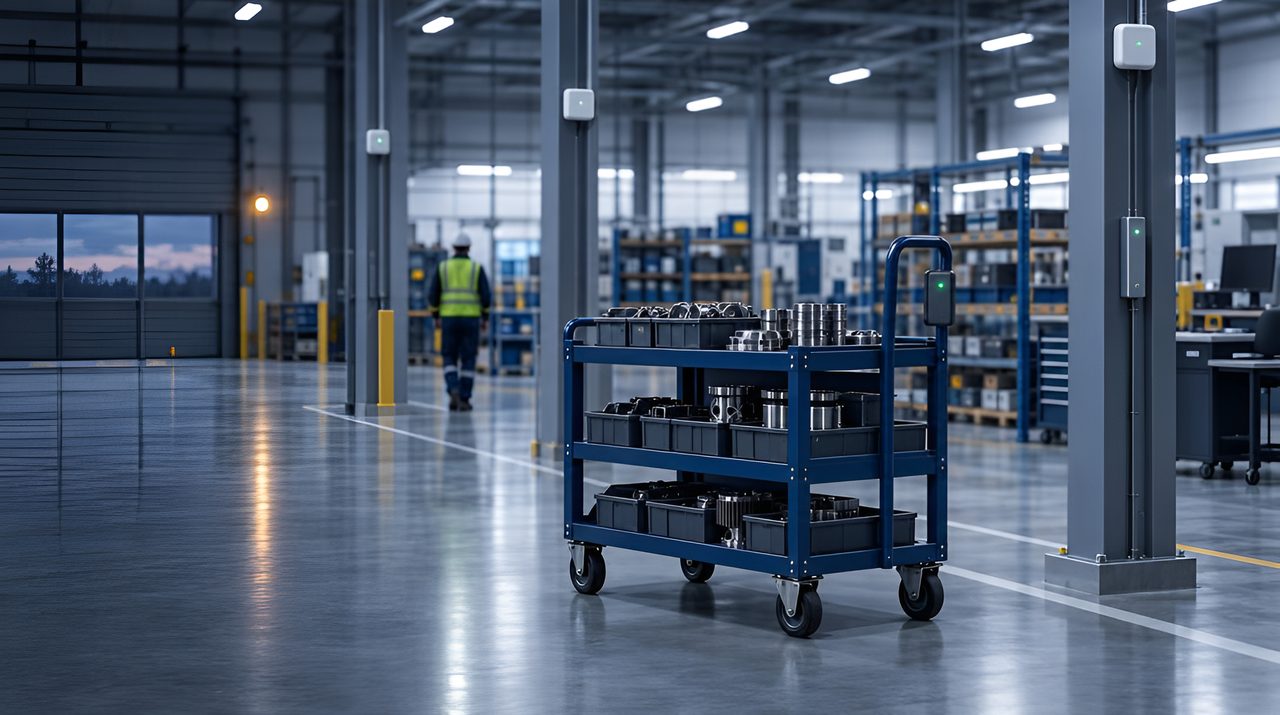
Gdziekolwiek potrzebujesz Precyzja klasy centymetrowej w wymagających środowiskach RF: zakłady motoryzacyjne śledzące części na metalowych regałach; narzędzia do śledzenia MRO w lotnictwie i FOD;
szkolenie taktyczne w obiektach szkoleniowych CQC, gdzie pozycja każdego operatora ma znaczenie; śledzenie wyników sportowych na arenach, gdzie GPS nie działa; Unikanie kolizji między wózkami widłowymi a pieszymi, gdzie fałszywe alarmy niszczą adopcję pojazdu.
UWB lepiej toleruje wielościeżki niż radia wąskopasmowe, działa na zwykłych materiałach budowlanych i aktualizuje się wielokrotnie na sekundę. Jeśli pozycjonowanie Wi-Fi na 5 metrów to za mało, to UWB to kolejny krok.
UWB kontra alternatywy
UWB jest zwykle najdokładniejszą z tych opcji. Uzyskana dokładność zależy od Twojego obiektu, a potwierdzamy ją podczas audytu na miejscu.
BLE-AoA zwykle wygrywa pod względem czasu pracy baterii tagów (lata) w porównaniu do UWB (od miesięcy do roku, w zależności od częstotliwości aktualizacji).
UWB kontra Passive RFID: zupełnie inaczej. UWB śledzi pozycję w czasie rzeczywistym, RFID potwierdza obecność w punktach odczytu.
Większość przedsiębiorstw korzysta z obu tych metod. UWB kontra Wi-Fi RTT: Wi-Fi RTT może osiągać dokładność na poziomie metrowym na obsługiwanych urządzeniach, ale jest ograniczona przez wsparcie oprogramowania AP; UWB ma bardziej dojrzały ekosystem wdrożeń.
UWB kontra GNSS: GNSS na zewnątrz, UWB na halę, są uzupełniające, nie konkurencyjne.
Znane ograniczenia
Trzy punkty boli prawdziwe. Koszt kotwicy: Infrastruktura UWB jest droższa niż BLE, zazwyczaj kilkaset euro za kotwicę, pomnożona na terenie obiektu, który może wymagać gęstego zasięgu.
Żywotność baterii tagów: transmisja aktywna RF zużywa energię; tagi o wysokiej częstotliwości aktualizacji (sportowe, taktyczne) trwają od tygodni do miesięcy, tagi o niższej częstotliwości (śledzenie aktywów) od roku lub dwóch.
Zarządzanie bateriami na dużą skalę to realne koszty operacyjne. Synchronizacja kotwic: TDoA wymaga synchronizacji nanosekundowej między kotwicami, zwykle przez przewodowy szkielet lub dedykowaną synchronizację bezprzewodową.
Projekt terenu jest nieprosty i wymaga przeprowadzenia inspekcji RF przed złożeniem zamówienia.
Dostawcy i ekosystemy
Trzy warstwy mają znaczenie. Krzem: Qorvo (przejęte Decawave, oryginalną firmę krzemową UWB) i NXP są dominującymi dostawcami układów UWB, a ostatnio także układy układowe Apple U1/U2 oraz UWB firmy Samsung.
Infrastruktura i platforma: Ubisense, Sewio, Pozyx, Litum oraz (BLE-AoA - sąsiadujące w niektórych przypadkach) Quuppa.
Standardy: FiRa Consortium dla interoperacyjności, plus IEEE 802.15.4z dla specyfikacji bazowej. W przypadku zakupów korporacyjnych decyzja rzadko dotyczy krzemu. Chodzi o to, która platforma pasuje do Twojego środowiska, co oceniamy już na etapie 1 za pomocą ankiety RF site.
Gdzie TRACIO zaleca UWB
Przypadki użycia wymagające dokładności poniżej metru z częstotliwością aktualizacji w czasie rzeczywistym: śledzenie części w trakcie produkcji (szczególnie bogatych w metale); kontrola narzędzi i zapobieganie FOD w MRO w lotnictwie; szkolenia taktycznego i siłowego;
precyzyjne śledzenie sportowców; unikanie kolizji między wózkiem widłowym a pieszymi dzięki precyzyjnemu strojeniu strefowemu; śledzenie aktywów o wysokiej wartości lub w ruchu w sektorze zdrowia, obronności, przemyśle naftowo-gazowym (z użyciem sprzętu ATEX/IECEx).
Nie zalecamy UWB do widoczności na poziomie strefy, gdzie BLE wystarczy, do zastosowań zewnętrznych, gdzie GNSS lepiej pasuje, ani do zastosowań tylko obecnych, gdzie Passive RFID jest tańszy i prostszy.
Jak pomagamy wybrać sprzęt UWB
Systemy UWB różnią się gęstością kotwic, czasem pracy tagów na baterii, częstotliwością aktualizacji, oprogramowaniem i otwartością na inne platformy. Najpierw spisujemy wymaganie, na jego podstawie tworzymy krótką listę systemów, badamy Twój obiekt, prowadzimy pilotaż na wynajętym sprzęcie i testujemy dostarczony system, zanim go odbierzesz. Nie sprzedajemy sprzętu, dlatego nasze doradztwo pozostaje niezależne. Zobacz doradztwo UWB RTLS.
Najczęściej zadawane pytania
Jak dokładny jest UWB w praktyce?
Dokładność zależy od Twojego obiektu, a potwierdzamy ją podczas audytu na miejscu. percentylu przy dobrze zaprojektowanych misjach. Dokładność rzeczywista zależy całkowicie od rozmieszczenia kotwic, gęstości, jakości synchronizacji i środowiska. Sprawdzamy dokładność w pilotażu przy obciążeniu produkcyjnym jako kryterium bramki 2 w metoda programu TRACIO.
Czy UWB działa przez ściany i przeszkody?
UWB dość dobrze penetruje większość materiałów budowlanych (płyty gipsowo-kartonowe, drewno, szkło), ale jest tłumiony przez beton i metal.
Standardowym środkiem ograniczającym jest gęstość kotwic, więcej kotwic z nakładającym się pokryciem kompensuje zablokowane bezpośrednie ścieżki. Predykcyjne badanie RF na skali kotwic o rozmiarze bramki 1.
Jak długo tagi UWB wytrzymują na baterii?
To zależy od częstotliwości aktualizacji. Tagi o wysokiej wydajności (5-10 Hz dla sportu, taktycznego) działają od tygodni do miesięcy na ogniwu monetowym lub małym locie.
Tagi śledzące aktywa z częstotliwością 1 Hz lub poniżej Hz od 1 do 3 lat. Odznaki pracowników przemysłowych zazwyczaj można ładować. Strategię baterii na bramie 1 dostosowujemy do konkretnego zastosowania.
Czy UWB jest kompatybilny między różnymi producentami?
Protokół tag-to-anchor jest w dużej mierze specyficzny dla konkretnego dostawcy, mimo że standardy IEEE i FiRa działają. W praktyce zobowiązujesz się do ekosystemu tag-and-anchor jednego dostawcy przy każdym wdrożeniu.
Floty UWB od wielu dostawców się pojawiają w formie, ale jeszcze nie są powszechne. Starannie projektujemy zobowiązania dostawców już przy bramie 1.
Czy układ UWB w moim smartfonie tu pomaga?
W większości przypadków nie, jeśli chodzi o śledzenie zasobów korporacyjnych. Apple U1/U2 i Samsung UWB zostały zaprojektowane do krótkodystansowych interakcji między urządzeniami (AirTags, bezpieczny klucz samochodowy, udostępnianie plików).
Układy są technicznie kompatybilne z FiRa, ale ekosystem aplikacji do pozycji korporacyjnej na urządzeniach konsumenckich jeszcze nie jest na odpowiednim poziomie.
Jak UWB integruje się z naszymi systemami korporacyjnymi?
Nowoczesne platformy UWB udostępniają dane pozycji i zdarzeń za pośrednictwem API REST, MQTT i OPC UA. Integracja z WMS / MES / EMR jest koncepcyjnie prosta, ale w praktyce zawsze nie jest trywialna. Zobacz Integracje RTLS i IoT dla naszych wzorców integracji korporacyjnej.
Ostatnia aktualizacja: