
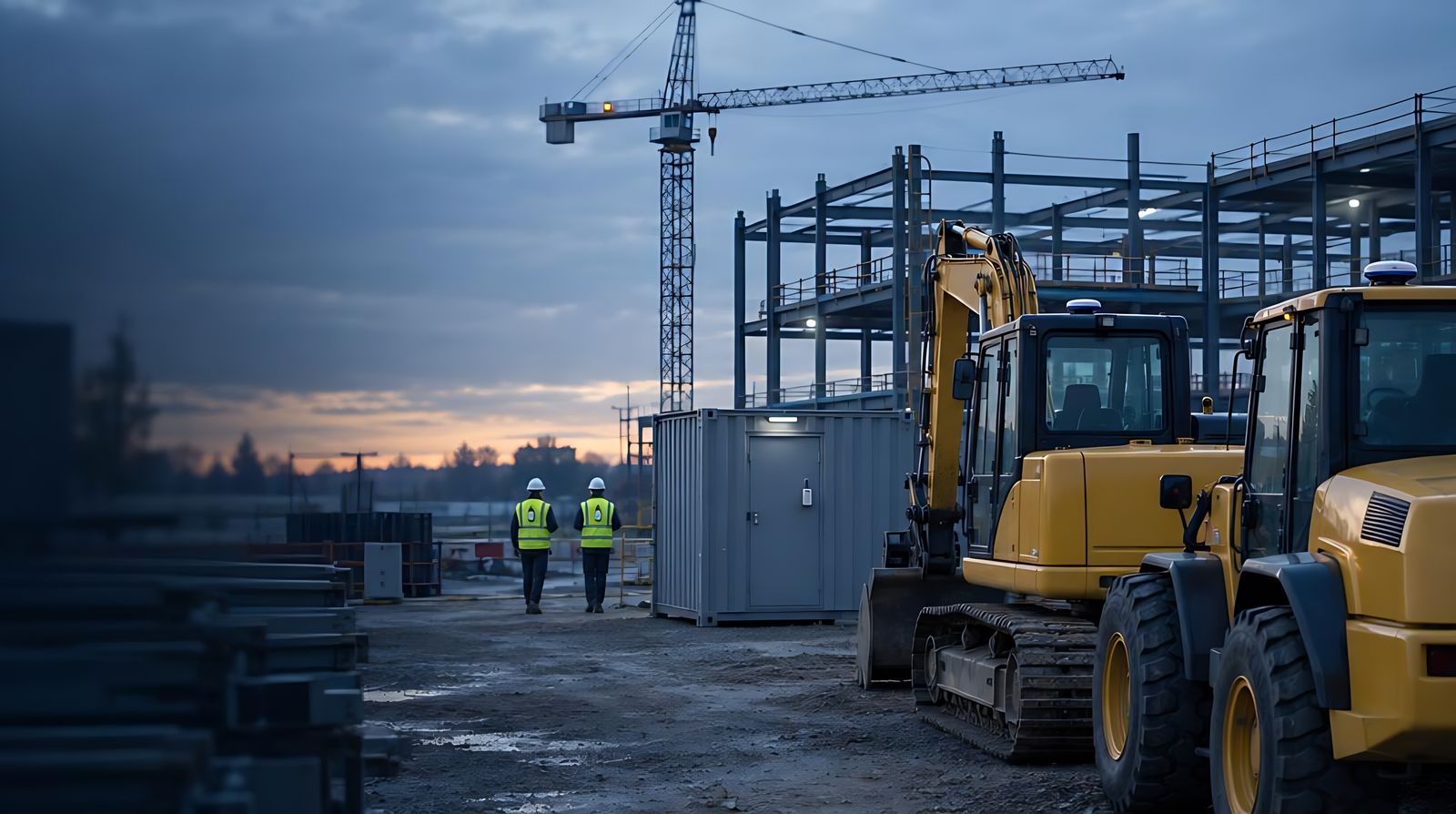
Construction tool tracking: know which tools are on which site, and who has them.
Free 30-minute call with a specialist · written proposal with the price after · fixed-scope engagements from £3k.
Not ready for a call? ··
Tools go missing between the yard, the van and the site. Crews wait, replacements get bought and inspection records fall behind.
We help you decide what to track and how closely, choose tags and readers that suit your tools and sites, and set up check-out and inspection records your teams will actually use. Advice first. We also supply, lease and integrate if you choose.
Decide what to track first.
Not every tool needs the same tag. Expensive power tools and measuring equipment justify battery tags that can be found on a site. Hand tools and accessories usually need low-cost passive tags read at the store, container or van door. Generators, compressors and other small plant often need GPS. We help you sort your tool list into these groups, so you pay for live location only where it matters.
The technology options.
Bluetooth tags on power tools, picked up by gateways in containers, vans and site cabins, or by phones on site. Some tool makers build this into their own tools and apps.
Passive RFID tags on hand tools and equipment cases, read at the store door, in the van or with a handheld reader during stock checks.
GPS trackers on generators, compressors, lighting towers and other small plant that moves between sites.
Barcode or QR labels where a scan at check-out is enough.
Most contractors end up with a mix. The choice that matters most is the software that brings it all together, including tools from different makers.
Check-out, returns and inspection records.
Tracking pays off when it is tied to who has a tool and for which job: check-out to a person or a site, returns to the store, and reminders for inspections such as electrical safety tests and the regular checks lifting equipment needs. When the records stay with the tool, audits are quicker and overdue items are easy to find.
Tool-maker apps or one platform across brands.
A tool maker's own tracking app works well when most of your fleet is that brand. Mixed fleets, hired tools and hand tools usually need a platform that works across brands and connects to your job costing or ERP. We compare both against your tool list and your sites, including running costs and what happens to your data if you change supplier.
Site realities.
Containers are steel, sites change every week and power is not always available. Before you roll out, we check reader and gateway positions, power and phone coverage on a representative site. Then we plan a pilot on one site or one depot with clear measures, such as time spent looking for tools, tools written off and inspections overdue.
How we work on it.
It starts with a free 30-minute call about your tools, your sites and what is going wrong today. After the call you get a written proposal with the price. Supply is optional and on a separate contract from our advice. You can also buy direct from the supplier.
This page is about tools and small plant. For people safety, site access and proximity alerts, see construction site safety. For tool control in hangars and workshops, see tool control.
Frequently asked questions
Is this the same as your construction site safety page?
No. That page covers people: site access, lone working and proximity alerts. This page covers tools and small plant. Some site infrastructure, such as gateways and phone coverage, can serve both.
Can we use the tracking our tool supplier offers?
Yes. If most of your tools are one brand, it can be the simplest route. We check how it handles other brands, hand tools and hired items, and how the data reaches your own systems.
Will the tags survive on site?
Tags and mounts differ a lot in how they cope with dust, water, impact and metal. We test candidate tags on your own tools before you buy in volume.
Do we need to track every tool?
No. Most contractors start with high-value power tools, measuring equipment and anything with an inspection deadline, then extend once the process works.
What does the first step cost?
The 30-minute call is free. After it you get a written proposal with a fixed price for the scope we agree.
Last updated: